

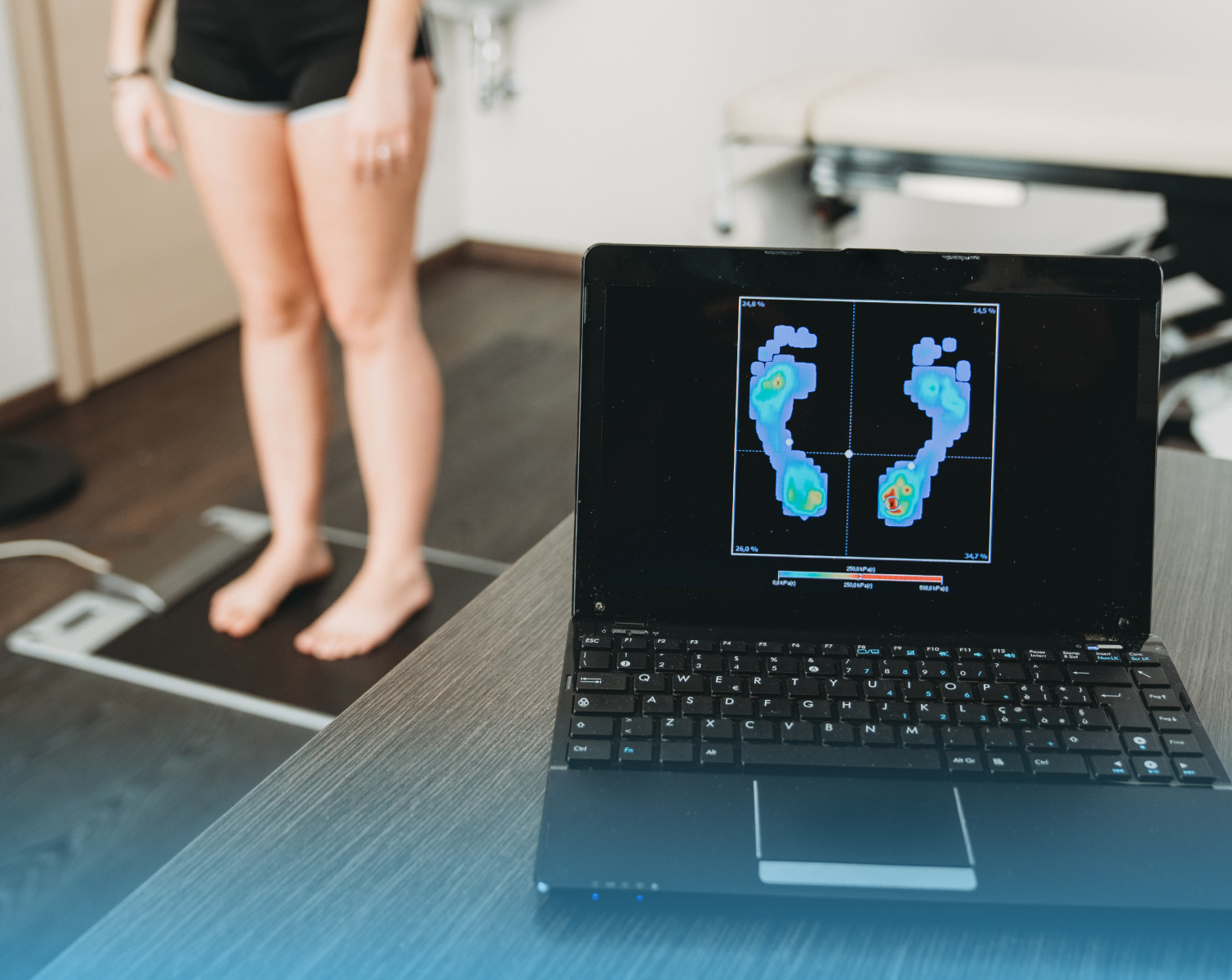
The Benefits Of Shockwave Therapy For Foot Pain: Expert Advice From A Podiatrist In Miranda
Living with ongoing foot pain can affect how you move, work and enjoy daily life. Activities like walking the dog, climbing stairs or returning to exercise can become more challenging and less comfortable. If you’ve already tried rest, stretching or other forms of care with limited change, you may be exploring additional options.
Shockwave therapy is one option that’s gaining interest in podiatry as a non-invasive approach that may assist with certain musculoskeletal concerns. In this blog, we’ll outline what you need to know about this therapy and how it may fit into broader care. A personalised consultation is essential to determine if shockwave therapy is appropriate for your specific situation.
What is shockwave therapy?
Shockwave therapy is a non-surgical treatment that uses high-energy acoustic waves aimed at specific areas. These waves are intended to support the body’s natural healing response, particularly around circulation and tissue repair.
In podiatry, shockwave therapy is often considered for issues such as heel pain, tendinopathies and persistent knee discomfort. The aim is to help manage symptoms and improve function without the need for more invasive interventions.
Key benefits of shockwave therapy for foot pain
- Non-invasive approach
Unlike surgical options, shockwave therapy is delivered externally using a handheld device. This makes it a lower-risk alternative for people looking to avoid downtime or more intensive procedures.
- Time-efficient and flexible sessions
Most sessions take under 20 minutes and are spaced over several weeks, though this can vary depending on your condition and how your body responds. For example, someone with mild tendon irritation may need a shorter course, while chronic issues might require more sessions. It’s still usually manageable for those with busy schedules.
- May support tissue repair and circulation
The acoustic pulses encourage better circulation, assisting with collagen production and could support the natural regeneration of soft tissues in the foot.
- May help reduce discomfort
Some patients have reported improved comfort following treatment. The therapy may help calm overactive nerves and reduce local inflammation in certain cases.
- May assist with movement over time
With reduced irritation and potentially improved support for the surrounding structures, some individuals may find it easier to walk, bend or move with greater comfort over time.
- May suit some daily routines
As it doesn’t involve anaesthetic or recovery time, most people can often continue their usual activities shortly after treatment, though this may depend on individual response.
- Referenced in clinical studies
Shockwave therapy is backed by studies and used by many podiatrists across Australia, including podiatrists in Miranda. While not suitable for everyone, it can be a considered option as part of a broader management plan.
Disclaimer: The benefits listed above can vary depending on the individual. Outcomes are more likely when shockwave therapy is combined with post-treatment care such as appropriate footwear, strengthening exercises and activity modifications recommended by your podiatrist.
What to expect during and after treatment
A typical shockwave therapy session usually begins with a clinical assessment to identify the area being treated. The podiatrist will typically apply a contact gel and move the device in a circular motion over the affected area of the foot, such as the heel or arch.
Many people describe the sensation as mildly uncomfortable but generally tolerable. After the session, the area may feel warm or slightly tender. Any improvements, if experienced, tend to build gradually and vary from person to person.
To support outcomes, your podiatrist may also recommend changes to footwear, foot exercises or gentle load management strategies tailored to your needs. These steps are often used to help improve comfort and mobility in the foot over time.
Is shockwave therapy right for everyone?
Not necessarily. This therapy may not be appropriate for people with clotting disorders, as the treatment may influence blood flow. It is also generally avoided in cases of active infections to reduce the risk of spreading inflammation. Similarly, individuals with certain implanted medical devices may not be suitable candidates due to potential interference with the technology.
That’s why an individualised assessment is key. Your podiatrist will consider your medical history, current symptoms and lifestyle to determine whether shockwave therapy could be a suitable part of your care plan.
Expert podiatry care in Miranda
At Podiatry First clinic, our podiatrists in Miranda carry out individual assessments to help guide suitable care. In some cases, shockwave therapy may be considered when other conservative approaches haven’t led to improvement.
We take an evidence-informed approach and will talk through all appropriate options based on your needs. If you’re interested in learning whether shockwave therapy might be part of your care plan, you can book a consultation with a podiatrist in Miranda to explore this further.
Please note that individual results can vary. Shockwave therapy does not guarantee full relief or symptom resolution, and it’s generally considered as one component of a broader management strategy guided by your podiatrist.