Podiatrist Woolloomooloo – Foot Care Where Harbour Fitness Meets Long Shifts on Hard Floors
- NDIS Registered
- No referral needed
- 3 Sydney clinics
Whether it’s a morning swim, a foreshore run, or a twelve-hour shift behind a bar, your feet carry the weight of everything Woolloomooloo asks of them. When that load starts to show up as a tight Achilles on the McElhone Stairs, sharp heels on the walk to work, or aching arches after a double at the Finger Wharf — our podiatrists can find the cause and help you fix it.
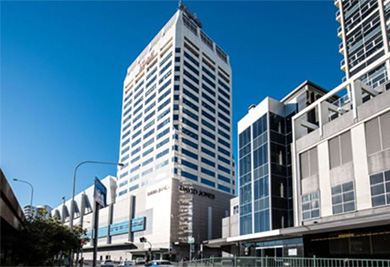
PodiatryFirst provides podiatry in Woolloomooloo from our Sydney CBD clinic at Level 9, 88 Pitt Street, Sydney NSW 2000 — a 10-minute walk through the Domain from Woolloomooloo NSW 2011. We treat the source of your pain, not just the symptom.
Two Lifestyles, One Suburb — Why Woolloomooloo is Hard on Your Feet
Woolloomooloo sits in one of the tightest pockets of Sydney, tucked between the harbour and the ridge. Morning runners follow Cowper Wharf Road toward Mrs Macquaries Point on flat, unforgiving concrete. Swimmers clock laps at Andrew (Boy) Charlton Pool before work. Commuters climb the 113 steps of the McElhone Stairs to reach Victoria Street and catch a bus into Kings Cross or the CBD. By 8am, many Woolloomooloo residents have already loaded their feet and lower legs harder than most people do in an entire day.
Then there’s the other side of the suburb. Bartenders, waitstaff, and kitchen crews at the Finger Wharf restaurants and the hotels around Woolloomooloo Bay spend eight to twelve hours on polished concrete and tile — often in flat shoes with minimal support. If your feet and legs are sore after every shift, that’s a sign the load has exceeded what your body can absorb without help.
Both groups live in the same postcode. Both deal with foot pain. But the strain comes from very different places — and treating it well means understanding which pattern is driving the problem.
Here’s what that strain tends to look like day-to-day:
Foot and Ankle Care in Woolloomooloo — Common Pain Patterns
Foot pain in Woolloomooloo often follows one of two tracks: overuse from training, or accumulation from long working hours. The signs patients describe to us include:
- A sharp, pulling pain along the back of the ankle after climbing the McElhone Stairs or running the foreshore
- Heavy, tight calves that don’t ease after stretching — especially on mornings after a swim-and-run combination
- Deep heel pain with your first steps out of bed, worse after a rest day following a hard training block
- Arch fatigue that builds through a hospitality shift and peaks in the final hours of service
- Stiffness through the midfoot on the walk from Woolloomooloo to the Art Gallery or across the Domain
- Forefoot burning after a full shift in flat-soled work shoes on hard kitchen floors
- Foot cramps during or after swimming that linger into the next morning
These symptoms rarely arrive all at once. They tend to creep in over weeks. The sooner you address them, the simpler the fix.
Achilles Tendonitis and Woolloomooloo’s Stairs, Slopes, and Foreshore Paths
Achilles tendonitis is the condition we treat most often in active Woolloomooloo residents, and the suburb’s terrain is a major reason why.
The Achilles tendon connects your calf muscles to your heel bone. Every time you push off during a step, a run, or a stair climb, this tendon absorbs and transfers force. When that load exceeds what the tendon can recover from — through repetition, sudden increases in training, or insufficient rest — the fibres begin to break down. The result is pain, stiffness, and swelling at the back of the ankle, typically worst first thing in the morning and after periods of rest.
Woolloomooloo creates three specific loading patterns that drive this injury.
The McElhone Stairs. The 113-step staircase between Woolloomooloo and Victoria Street is steep, concrete, and heavily used by commuters and runners. Walking up loads the calf and Achilles under high tension. Walking down forces the tendon to work eccentrically — controlling your bodyweight on the descent — which is the exact mechanism that accelerates tendon breakdown. Residents who use these stairs twice a day, five days a week, place repetitive high-load stress through the Achilles without realising the cumulative toll.
The harbour foreshore. The flat concrete path along Cowper Wharf Road and through the Domain toward Mrs Macquaries Chair is one of the most popular running routes in the eastern CBD. It’s scenic, traffic-free, and completely unforgiving. Hard, flat surfaces return every gram of impact force straight back through the heel and Achilles — and unlike grass or trail, there is zero natural shock absorption.
Andrew Boy Charlton Pool. Swimming — particularly freestyle — drives repeated plantarflexion (pointing the toes) through every kick cycle. This engages the calf-Achilles complex under sustained, rhythmic load. On its own, that’s manageable. But when a morning swim is followed by a foreshore run or a stair commute, recovery time compresses and the tendon never fully unloads.
Left unmanaged, Achilles tendonitis can progress from morning stiffness to persistent pain during activity — and eventually to a partial tear that takes months to heal. Early treatment produces far better outcomes.
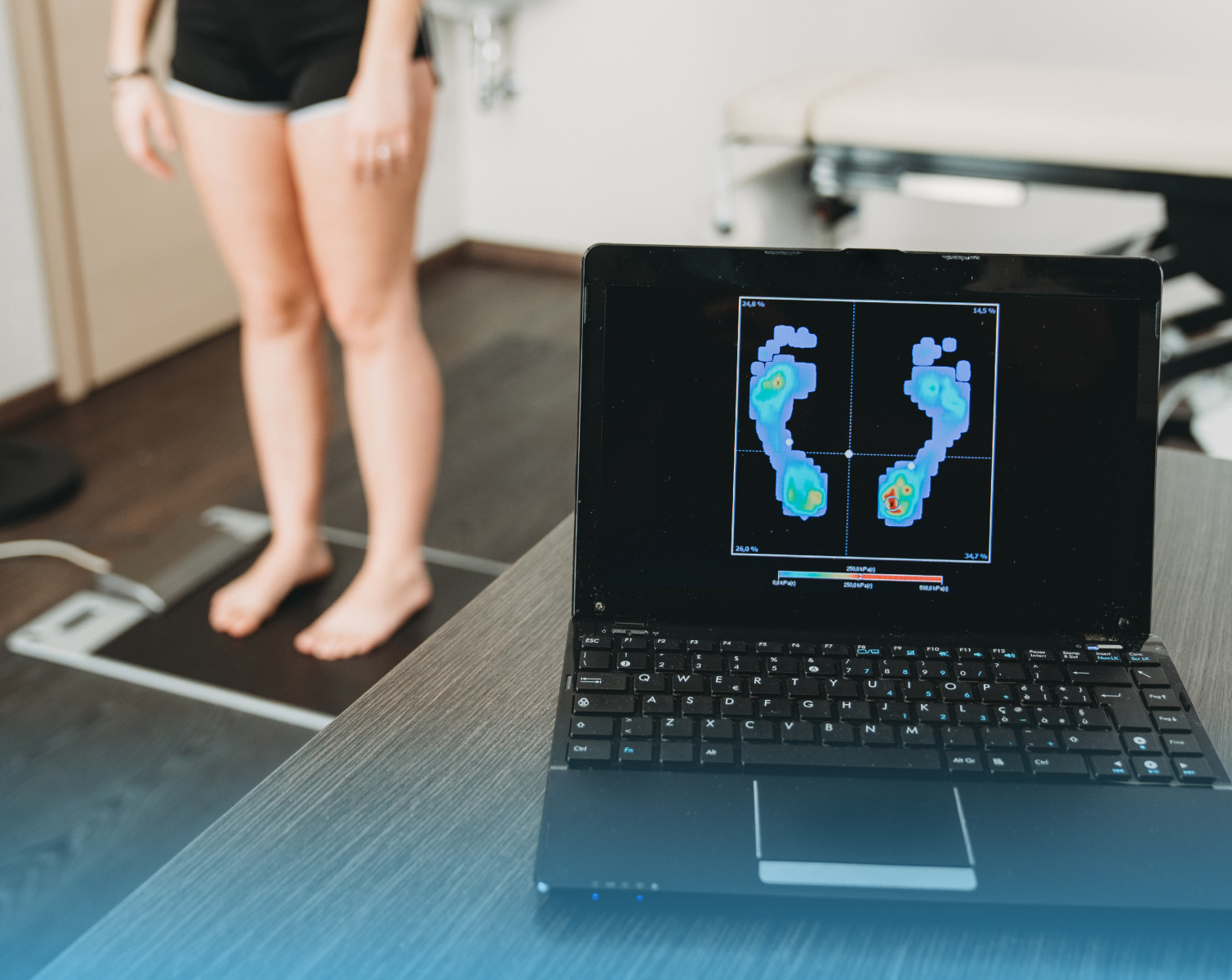
At our clinic, we start with a biomechanical assessment and gait analysis to understand how your foot, ankle, and calf function under load. From there, treatment typically combines shockwave therapy to stimulate tendon repair, a progressive eccentric strengthening program (the gold standard for Achilles rehabilitation, supported by Sports Medicine Australia guidelines), and custom orthotics where needed to manage load distribution. Most patients we treat for Achilles tendonitis see clear improvement within six to eight weeks.
If your Achilles has been sore for more than a fortnight and is not settling on its own, that’s the right time to come in.
Achilles tendonitis is the most common reason active Woolloomooloo patients visit us, but we treat a wide range of foot and lower limb conditions.
Your Sports Podiatrist Near Woolloomooloo — Conditions We Treat
Our podiatrists treat foot, ankle, and lower limb conditions for patients from Woolloomooloo, Potts Point, Darlinghurst, and surrounding inner-city suburbs.
For active residents — runners, swimmers, and stair commuters:
- Achilles tendonitis treatment — our most common presentation from Woolloomooloo
- Sports podiatry assessment for runners, swimmers, and active residents dealing with lower limb overuse injuries
- Shin splint diagnosis and management
- Heel pain and plantar fasciitis treatment, including shockwave therapy and custom orthotics
For routine and workplace-related foot care:
- General foot care for corns, calluses, cracked heels, and ingrown toenails
- Biomechanical assessment and custom orthotics for hospitality workers on their feet all day
- Plantar wart removal using SWIFT microwave therapy
We treat the source of the problem — not just the symptom — so your pain resolves and stays gone.
Achilles Pain in Woolloomooloo — A Common Patient Story
The staircase was the first clue. A dull tightness at the back of the ankle, halfway up the McElhone Stairs on a Tuesday morning — the harbour still flat and grey below, the city just starting to hum above.
It loosened by the time they reached Victoria Street, so they didn’t think much of it.
That’s how it usually starts for the Woolloomooloo patients we see. They swim three mornings a week at Boy Charlton Pool, run the foreshore twice a week, and use the stairs as a daily commute. The Achilles pain begins as stiffness — easy to dismiss as tightness from training. But over a few weeks it sharpens. It starts to bite during the first hundred metres of a run. Then it lingers after the swim. Then it’s there on the first steps of the day, every day.
By the time they book in, they’ve usually tried rest and calf stretches. The assessment reveals what rest alone can’t fix: a loading pattern that compresses swim, run, stairs, and hard surfaces into the same 24 hours — with no space for the tendon to recover. The tendon hasn’t failed because of one event. It has been quietly overloaded by the combination.
Treatment usually involves shockwave therapy to restart the healing process, a progressive eccentric loading program to rebuild tendon strength, and adjustments to training structure so that high-load days don’t stack. Within six to eight weeks, most of these patients are back to their full routine — stairs, swim, and all.
Why Woolloomooloo Patients Choose PodiatryFirst
Woolloomooloo residents come to us because we don’t treat feet in isolation — we assess the entire chain from hip to heel to understand why your Achilles, calf, or arch is failing under load. For runners and swimmers, that means slow-motion video gait analysis, joint flexibility testing, and a calf-strength evaluation before we write a single treatment plan. For hospitality workers, it means understanding the specific demands of an eight-hour shift on tile and building a support strategy — footwear guidance, orthotics, targeted strengthening — that works around your roster, not against it.
Every initial appointment runs 45–60 minutes. We take that time because a thorough assessment is the difference between treating a symptom once and solving the problem for good.
And for this suburb, access is as easy as it gets. Our clinic is a 10-minute walk from Woolloomooloo through the Domain — past the Art Gallery of NSW and into the CBD. We offer early morning and Saturday appointments so you can fit care around a training block or a shift schedule.
How to Get Here From Woolloomooloo
Walking: 10–12 minutes through the Domain, past the Art Gallery of NSW and into the CBD. This is the most direct route for most Woolloomooloo residents.
Driving: 7 minutes via Sir John Young Crescent. Paid parking is available at Secure Parking on Pitt Street and nearby Wilson Parking locations.
Bus: Approximately 15 minutes via William Street bus routes toward the CBD. Alight near Martin Place or Town Hall.
Our clinic is at Level 9, 88 Pitt Street, between Martin Place and Wynyard stations.
Frequently Asked Questions — Podiatrist Woolloomooloo
Do I need a referral to see a podiatrist?
No. You can book directly without a GP referral. If you’ve been referred under a Medicare Chronic Disease Management plan (EPC), bring your referral letter to your first appointment.
I swim at Boy Charlton Pool and run the foreshore. Should I see a podiatrist before pain starts?
Yes. A preventive biomechanical assessment can identify gait patterns, calf imbalances, and footwear issues that increase your risk of Achilles and lower leg injuries — before they cause damage. If you combine swimming and running on the same days, this is especially worth doing.
I work long hospitality shifts at the Finger Wharf. Can a foot doctor in Woolloomooloo help with foot fatigue?
Absolutely. Standing for eight or more hours on hard floors places sustained load through the arches, heels, and forefoot. A podiatrist can assess your foot mechanics, recommend supportive footwear changes, and prescribe orthotics that reduce strain through a full shift. Our Sydney CBD clinic is a 10-minute walk from the Wharf.
Are you a registered NDIS provider?
Yes. PodiatryFirst is a registered NDIS provider. Contact us to discuss how your plan applies to your treatment needs.
How long does a first appointment take?
Your initial consultation runs 45–60 minutes — enough time for a thorough assessment, diagnosis, and a clear treatment plan.
Book an Appointment
If you’re looking for a foot doctor in Woolloomooloo, our Sydney CBD clinic is a short walk through the Domain. Whether your Achilles pain started on the McElhone Stairs, your heels ache after a double shift at the Wharf, or your calves haven’t felt right since your last swim — we’ll find the cause and help you fix it.
Move well. Walk strong. Get back to your Woolloomooloo routine with PodiatryFirst Sydney CBD.
Podiatry First can also help you with the following treatments:
Book your appointment online
Three convenient Sydney clinics. No referral needed - book directly or call our friendly team today.