Podiatrist Chippendale – Foot Care for a Suburb That Sits All Week and Moves All Weekend
- NDIS Registered
- No referral needed
- 3 Sydney clinics
Your feet go from hard apartment floors to harder footpaths to a lecture hall chair to a gym session — and none of those transitions come with a warm-up. When the arches start to ache on the walk to Central Station, your knees twinge during a weekend run in Victoria Park, or your heels feel bruised after a day in flat sneakers on concrete, something structural is usually driving it. Our podiatrists can find out what.
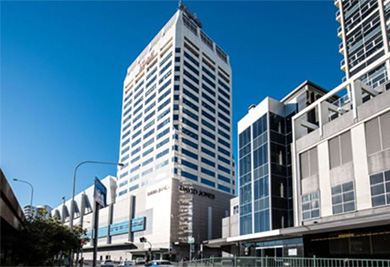
PodiatryFirst provides podiatry in Chippendale from our Sydney CBD clinic at Level 9, 88 Pitt Street, Sydney NSW 2000 — a 15-minute walk from Chippendale NSW 2008 via Central Station.
What Makes Chippendale Different — and Why It Matters for Your Feet
Chippendale sits right at the seam between campus life and the CBD. University of Sydney’s Darlington campus is across City Road. UTS is a few blocks north. Tech Central — the NSW Government’s innovation and startup precinct — is growing around Central Station. And the suburb itself is one of the densest residential pockets in Sydney, built upward rather than outward, with Central Park’s vertical gardens towering over Kensington Street’s cafés and bars below.
The people who live here are mostly in their 20s and 30s. Students. Junior developers. Designers. Researchers. People who sit for long stretches — in lectures, at desks, in coworking spaces — and then shift into high gear on evenings and weekends: gym classes, social sport, running loops through Victoria Park or Prince Alfred Park, walking kilometres across the city in shoes that look good but offer nothing.
That pattern — long sedentary hours followed by sudden bursts of load — is one of the fastest ways to expose a structural issue in the feet. And in Chippendale, the most common structural issue we see is flat feet.
Foot and Ankle Care in Chippendale — Common Pain Patterns
Foot pain in Chippendale rarely starts with a single event. It builds across weeks of walking, sitting, and training until something tips. The signs patients describe to us include:
- Arch pain or collapse that worsens on the walk to Central Station or UTS — especially in flat-soled shoes
- Knee pain during or after weekend running that has no clear injury moment
- Shin soreness that flares after gym sessions or park runs and fades within a day or two
- A dull heel ache first thing in the morning, worst on hard apartment floorboards
- Tired, heavy feet after a day spent mostly sitting — as though the feet have stiffened from inactivity
- Forefoot pressure after long walks through Broadway or across campus in minimal sneakers
- Lower back tightness after a day at a Tech Central desk that no amount of stretching seems to shift
These symptoms often seem unrelated. But when the arch of the foot isn’t doing its job, the strain travels upward — and what feels like a knee problem or a back issue can actually start at the ground.
Flat Feet in Chippendale — Why Your Arch Matters More Than You Think
Flat feet — or overpronation, as we call the movement pattern it creates — is the condition we diagnose most often in Chippendale patients. And most of them had no idea they had it.
Here’s what happens. A healthy arch acts as a spring. Each time your foot hits the ground, the arch absorbs impact, stores energy, and releases it as you push off. When the arch is low or collapses inward under load, that spring mechanism fails. The foot rolls excessively to the inside — overpronation — and the force that the arch should have absorbed gets redirected into the ankle, shin, knee, and lower back. Over time, this creates pain in places that seem far removed from the foot itself.
Chippendale’s lifestyle accelerates this process in three ways.
Hard surfaces everywhere. Most Chippendale residents wake up on timber or tile, walk on concrete to the station or campus, sit on hard chairs all day, and return on the same concrete. There is almost no soft ground in a typical day. The arch never gets a break from absorbing impact on unyielding surfaces.
Flat casual shoes. The suburb runs on Converse, Vans, canvas sneakers, and minimal slip-ons. These shoes look right for Kensington Street but give the arch zero support. Walking two kilometres to Central Station and back each day in shoes with no structure is the equivalent of asking the arch to work overtime with no tools.
The sedentary-to-active jump. Five days of sitting weakens the muscles that support the arch. Then Saturday morning arrives — a HIIT class, a run through Victoria Park, a social football game — and suddenly the foot is under heavy, dynamic load without the strength to handle it. The arch collapses further under the stress, and the overpronation pattern deepens.
Left unaddressed over years, flat feet can contribute to chronic knee pain, recurring shin splints, Achilles strain, and lower back problems that become harder to reverse the longer they develop. The earlier you identify the pattern, the simpler the correction — consistent withAustralasian Podiatry Council guidance that early biomechanical intervention produces the strongest long-term outcomes.
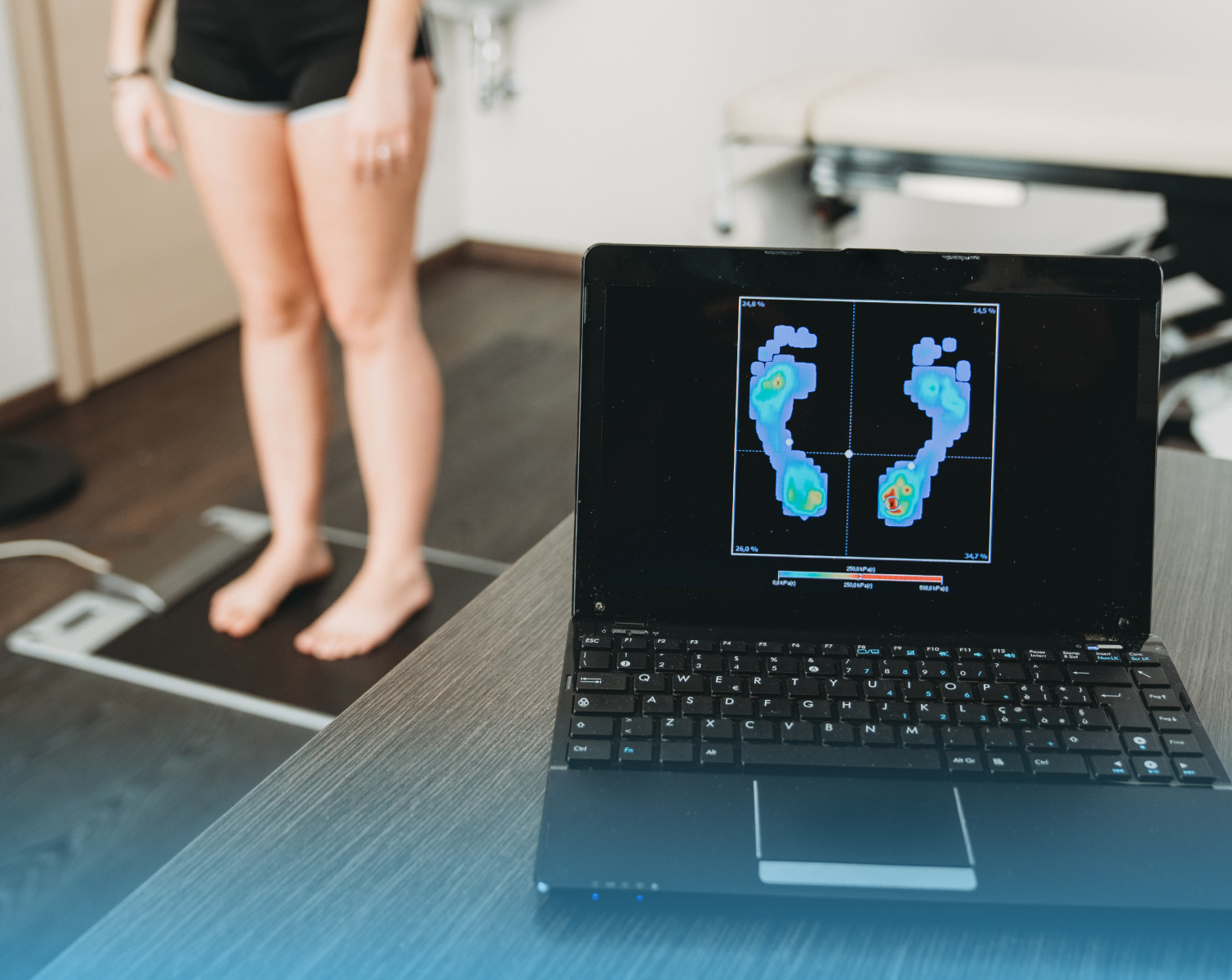
At our clinic, we start with abiomechanical assessment and gait analysis — including slow-motion video — to see exactly how your foot moves under load. From there, treatment typically combinescustom orthotics designed to support your arch in both casual shoes and training shoes, a targeted strengthening program to rebuild the muscles that control pronation, and load management guidance so your weekend training doesn’t undo the progress. Most patients notice a clear difference within four to six weeks.
If your knees, shins, or arches have been giving you trouble and you can’t pinpoint why — your feet are the place to start.
Overpronation is the pattern we correct most often in Chippendale — but it’s far from the only thing we treat.
Your Podiatrist Near Chippendale — Conditions We Treat
Our podiatrists treat foot, ankle, and lower limb conditions for patients from Chippendale, Redfern, Darlington, Ultimo, and surrounding inner-city suburbs.
For students and active young professionals:
- Flat feet and overpronation assessment — including custom orthotics for casual and training shoes
- Sports podiatry assessment for gym-goers, weekend runners, and social sport players dealing with lower limb overuse injuries
- Heel pain and plantar fasciitis treatment, includingshockwave therapy
- Achilles tendonitis treatment
For routine foot care:
- General foot care for corns, calluses, cracked heels, and ingrown toenails
- Plantar wart removal using SWIFT microwave therapy
- Shin splint diagnosis and management
If yourfeet and legs are sore and you’re not sure why, we’ll find the cause and build a plan to fix it.
Flat Feet in Chippendale — A Common Patient Pattern
The knee pain started three weeks into a new gym routine. No twist, no fall — just a dull ache on the inside of the left knee that showed up during squats and lingered on the walk back to the apartment on Abercrombie Street.
She’d been sitting through lectures at UTS all semester, walking to Central Station and back in canvas sneakers, and had just started a three-day-a-week training program at a gym near Broadway. The knee felt fine during the day. It only hurt when she loaded it.
When she came to see us, we ran a full biomechanical assessment. The gait analysis told the story her knee couldn’t: both feet were overpronating — rolling inward with each step — and the left side was worse. The arch was low, the muscles that should have been controlling the roll were weak from months of inactivity, and every squat and lunge was driving the knee inward along the same fault line.
She’d never been told she had flat feet. Most people haven’t.
Treatment started with custom orthotics fitted to her everyday sneakers and her training shoes — two different profiles for two different load patterns. We added a progressive arch and hip strengthening program to rebuild the control her feet had lost. Within a month the knee pain had cleared. Within two, she was squatting heavier than before — on arches that could actually do their job.
Why Chippendale Patients Choose PodiatryFirst
If you’re in your 20s or 30s and something in your feet, knees, or lower legs doesn’t feel right, there’s a good chance it’s been building quietly for a while. We see it constantly in Chippendale patients — a structural pattern that’s been present since adolescence, sitting dormant through years of low activity, and then surfacing the moment the load increases. The fix isn’t rest. It’s understanding the structure and giving it the right support.
That’s what the first appointment is for. We spend 45–60 minutes assessing how your body moves — from hip to heel — so we can see the full picture before we recommend anything. No guesswork. No generic insoles from a pharmacy shelf.
Our clinic is a 15-minute walk from Chippendale through Central Station. We offer early morning and Saturday appointments for anyone working around a class timetable, a startup schedule, or a shift roster.
How to Get Here From Chippendale
Walking: 15–20 minutes from Kensington Street or Central Park via Central Station and Pitt Street — the same route you probably already take to work or campus.
Public transport: 23 minutes — train from Central Station to Martin Place or Town Hall (2–3 stops), or light rail from Central toward the CBD.
Driving: 15 minutes via Wattle Street. Paid parking at Secure Parking on Pitt Street and nearby Wilson locations.
Our clinic is at Level 9, 88 Pitt Street, Sydney NSW 2000, between Martin Place and Wynyard stations.
Frequently Asked Questions
Do I need a referral to see a podiatrist?
No. You can book directly without a GP referral. If you’ve been referred under a Medicare EPC plan, bring your referral letter.
I’m a university student — do I need orthotics if my feet don’t hurt yet?
Not necessarily, but a biomechanical assessment can tell you whether your foot structure is putting you at risk of problems down the line — especially if you’re about to increase your training load or you walk long distances in unsupportive shoes. Think of it as a baseline check. It’s easier to prevent an issue than to fix one that’s been building for years.
Can flat feet cause knee or back pain?
Yes. When the arch collapses and the foot overpronates, the chain reaction travels upward — through the shin, into the knee, and sometimes as far as the lower back and hips. Many patients come to us for knee pain and discover that flat feet are the underlying driver.
Are you a registered NDIS provider?
Yes. PodiatryFirst is a registered NDIS provider. Contact us to discuss how your plan applies.
I walk to Central Station every day in flat shoes — should I be worried?
If you’re not experiencing pain, you may not need treatment. But if you notice arch fatigue, heel stiffness, or knee ache after your daily walks, those are early signs that your footwear isn’t giving your feet enough support for the distance you’re covering. A foot doctor in Chippendale can assess whether your shoes and your structure are working together — or working against each other.
Book an Appointment
If you’re looking for a foot doctor in Chippendale, our Sydney CBD clinic is a short walk through Central Station. Whether your arches ache on the way to campus, your knees have started complaining at the gym, or you’ve been told you might have flat feet and want to know what that actually means — we’ll assess the structure, explain what’s happening, and build a plan that fits your life.
Move well. Walk strong. Get your feet sorted with PodiatryFirst Sydney CBD.
Podiatry First can also help you with the following treatments:
Book your appointment online
Three convenient Sydney clinics. No referral needed - book directly or call our friendly team today.